
Whether you operate a construction site, mining operation, industrial facility, school, event venue or commercial business, providing employees and visitors with a suitable place to eat and take breaks is important.
A canteen container offers a practical, cost-effective and flexible solution for businesses that need a dedicated eating or food-service area without the expense and time involved in constructing a permanent building.
However, not all canteen containers are the same. The right choice depends on factors such as available space, the number of people using the facility, intended purpose, layout, ventilation, electrical requirements and how long you plan to use it.
In this guide, we’ll explain the key factors to consider when choosing the right canteen container for your business.
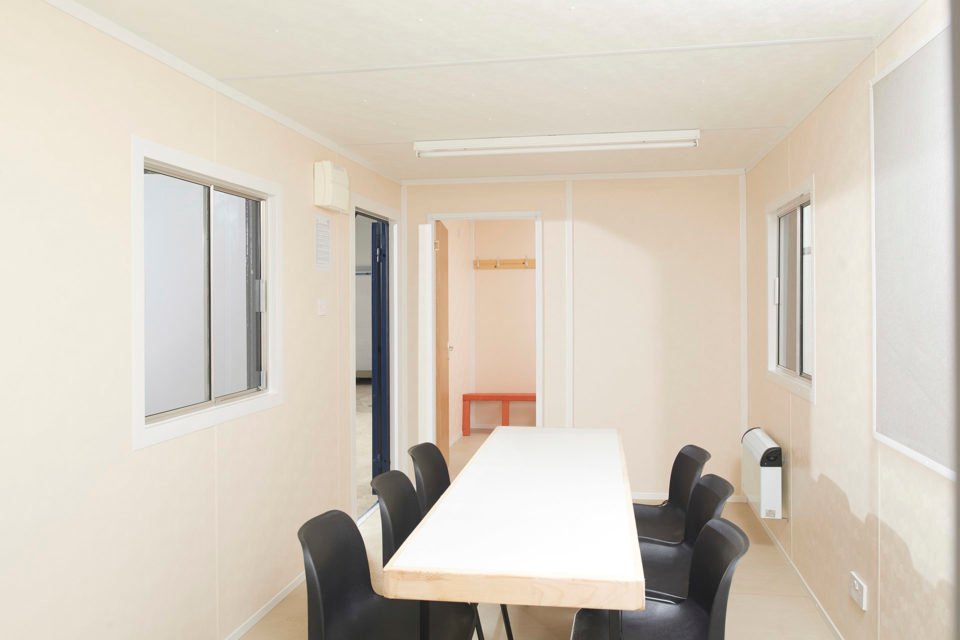
What Is a Canteen Container?
A canteen container is a prefabricated or converted container-style structure designed to provide a dedicated space for employees, contractors, visitors or customers to eat, prepare food and take breaks.
Depending on the design, a canteen container can include features such as:
- Serving counters
- Kitchen areas
- Sinks and plumbing
- Electrical installations
- Lighting
- Windows and doors
- Tables and seating areas
- Insulation
- Ventilation
- Food preparation areas
- Storage facilities
Canteen containers are particularly useful in environments where a permanent building isn’t practical or where businesses need a facility that can be installed relatively quickly.
Why Choose a Canteen Container?
Businesses across South Africa use canteen containers for a wide range of applications.
Cost-Effective Solution
Constructing a permanent canteen can involve significant costs for building materials, labour, foundations, plumbing and electrical work.
A prefabricated canteen container can provide a more economical alternative while still creating a functional space for staff and visitors.
Quick Installation
One of the biggest advantages of a container-based canteen is the relatively quick installation process. This can be particularly useful for temporary construction and mining sites where facilities need to be operational quickly.
Flexible Applications
A canteen container can be used for:
- Construction sites
- Mining sites
- Factories
- Warehouses
- Farms
- Schools
- Events
- Offices
- Industrial facilities
- Remote work sites
Easy to Relocate
Depending on the design and installation, some canteen containers can be moved when your business changes location or a project comes to an end.
This makes them particularly useful for companies operating across multiple temporary sites.
1. Determine How Many People Will Use the Canteen
The first thing to consider is the number of people who will regularly use the facility.
A small workforce may only require a compact canteen container, while larger operations may need a bigger unit or multiple containers.
Consider:
- Number of employees
- Number of shifts
- Peak meal periods
- Contractors and visitors
- Available seating
- Kitchen or food-preparation requirements
If several shifts share the same canteen, you may not necessarily need enough seating for the entire workforce at once. Understanding your actual usage can help prevent you from purchasing a container that is unnecessarily large.
2. Choose the Right Canteen Container Size
Size is one of the most important factors when selecting a canteen container.
Common sizes include:
- 12ft canteen containers
- 16ft canteen containers
- 20ft canteen containers
- Custom-sized canteen units
A smaller unit may be suitable for a compact workforce or temporary site, while a larger unit provides additional room for seating, food preparation and storage.
For example, a 20ft canteen container may be a better choice for a larger workforce because it provides additional internal space for tables, seating and kitchen facilities.
When choosing a size, consider both the internal space and the area available on your property.
3. Consider the Intended Use
Not every business needs the same type of canteen.
Ask yourself what the container will primarily be used for.
Staff Canteen
If the primary purpose is providing employees with somewhere to eat and relax, you may prioritise:
- Seating
- Tables
- Ventilation
- Lighting
- Windows
- Insulation
Food Preparation Area
If meals will be prepared on-site, you’ll need to consider:
- Work surfaces
- Sinks
- Plumbing
- Electrical supply
- Ventilation
- Food storage
- Cooking equipment
Construction Site Canteen
Construction sites often require durable and practical facilities that can withstand demanding working environments.
A site canteen container can provide workers with a dedicated area for meals and breaks without requiring permanent construction.
4. Think About the Layout
The layout of your canteen container can have a major impact on how practical it is.
A good layout should allow people to move comfortably between areas such as:
Entrance → Food preparation/serving area → Seating → Exit
Avoid overcrowding the space with unnecessary furniture or equipment.
If food will be prepared inside the unit, make sure there is enough room for staff to work safely and efficiently.
5. Check Insulation and Ventilation
South Africa experiences a wide range of temperatures, so comfort should be an important consideration.
A well-insulated canteen container can help regulate the indoor temperature and make the space more comfortable throughout the year.
Ventilation is equally important, particularly if cooking or food preparation takes place inside.
Look for suitable:
- Windows
- Air vents
- Extractor systems where necessary
- Insulated walls and ceilings
- Appropriate doors and openings
Good ventilation can also help reduce condensation and improve indoor air quality.
6. Consider Plumbing and Electrical Requirements
If your canteen will include a kitchen or food preparation area, plumbing and electricity need to be considered before installation.
Depending on your requirements, you may need:
- Water supply
- Drainage
- Sink installation
- Electrical outlets
- Lighting
- Cooking equipment connections
- Refrigeration connections
Planning these requirements in advance can help avoid expensive modifications later.
7. Consider Durability and Construction Quality
A canteen container used on an industrial or construction site needs to withstand regular use and potentially harsh conditions.
When comparing canteen containers for sale, look at:
- Construction materials
- Steel frame quality
- Flooring
- Doors and windows
- Insulation
- Roof construction
- Interior finishes
- Electrical installation quality
A durable unit can provide better long-term value, particularly when it will be used every day.
8. Consider Security
Security may be especially important for canteen containers located on construction, mining or industrial sites.
Consider features such as:
- Strong external doors
- Secure locks
- Security bars where appropriate
- Robust window frames
- Exterior lighting
You should also consider the location of the container and whether additional site security measures are required.
9. Check Transport and Installation Requirements
Before purchasing a canteen container, determine how it will be transported to your site.
Consider:
- Access to the property
- Road conditions
- Delivery vehicle requirements
- Available installation space
- Ground conditions
- Crane or lifting requirements
- Connection to water and electricity
A container may be suitable for your business but difficult to deliver if the site has restricted access.
10. Consider Your Budget
Price shouldn’t be the only factor when choosing a canteen container.
Instead, consider the total cost of ownership.
Your budget may need to include:
- Container purchase price
- Delivery
- Installation
- Plumbing
- Electrical connections
- Kitchen equipment
- Furniture
- Site preparation
- Maintenance
Comparing the overall cost can help you determine which option offers the best value for your business.
Canteen Container vs Permanent Building
For businesses operating temporary sites, a canteen container can offer several advantages over traditional construction.
| Feature | Canteen Container | Permanent Building |
|---|---|---|
| Installation time | Generally quicker | Usually longer |
| Relocation | Possible depending on design | Difficult |
| Initial construction | Lower complexity | More complex |
| Customisation | Available | Extensive |
| Temporary projects | Excellent | Less suitable |
| Portability | High | Very low |
For a temporary construction or industrial project, a mobile canteen container can therefore be a particularly practical solution.
What Size Canteen Container Do You Need?
There isn’t one size that is right for every business.
As a general starting point:
12ft Canteen Container:
Suitable for smaller teams, compact sites or limited food-service requirements.
16ft Canteen Container:
A good middle-ground option for businesses that need more space for staff, seating or food preparation.
20ft Canteen Container:
Ideal when additional space is required for larger teams, seating, kitchen facilities or storage.
Your final choice should be based on the number of users, intended purpose, equipment requirements and available site space.
Canteen Containers for Construction and Industrial Sites
Construction companies, mining operations and industrial businesses often need practical facilities that can be deployed quickly.
A construction site canteen can give workers a dedicated space to eat, take breaks and prepare meals while keeping these activities separate from the main working area.
For long-term projects, investing in a durable and properly insulated unit can also improve employee comfort and usability.
Should You Buy a Standard or Custom Canteen Container?
A standard canteen container may be suitable if your requirements are straightforward.
However, a customised unit may be a better option if you require specific:
- Kitchen layouts
- Serving counters
- Windows
- Doors
- Electrical points
- Plumbing
- Seating arrangements
- Storage areas
Before ordering a custom unit, make a list of everything you need. This makes it easier to compare quotations and ensure the final unit meets your operational requirements.
Final Checklist Before Buying a Canteen Container
Before purchasing your canteen container, ask:
☐ How many people will use it?
☐ What size unit do I need?
☐ Will food be prepared on-site?
☐ Do I need plumbing?
☐ What electrical connections are required?
☐ Is insulation included?
☐ Is sufficient ventilation provided?
☐ Where will the unit be installed?
☐ Can the delivery vehicle access the site?
☐ Does the unit meet my security requirements?
☐ What will delivery and installation cost?
☐ Do I need a standard or customised design?
Answering these questions will make it much easier to choose the right canteen container for your specific requirements.
Conclusion
Choosing the right canteen container for your business starts with understanding how the facility will be used. Consider the number of users, container size, layout, insulation, ventilation, plumbing, electricity, security, transportation and overall budget before making your decision.
Whether you need a compact unit for a small workforce or a larger steel canteen container for a busy construction or industrial site, selecting the right design can provide a practical and flexible workplace facility.
If you’re comparing canteen containers for sale in South Africa, focus on quality, functionality and suitability for your site rather than simply choosing the cheapest option.
FAQ
1. What is a canteen container?
A canteen container is a prefabricated or converted container-style structure designed to provide a dedicated area for eating, food preparation and staff breaks.
2. What size canteen container do I need?
The right size depends on the number of people using the canteen, available site space, seating requirements and whether food will be prepared inside the unit.
3. Are canteen containers suitable for construction sites?
Yes. Canteen containers are commonly suited to construction and industrial sites because they can provide practical staff facilities without requiring permanent construction.
4. Can a canteen container include a kitchen?
Yes. Depending on the design, canteen containers can be fitted with kitchen areas, sinks, serving counters, electrical points, storage and other food-preparation facilities.
5. Are canteen containers portable?
Many canteen containers are designed to be transportable, making them useful for temporary construction, mining, industrial and remote work sites.
6. Can a canteen container be customised?
Yes. Depending on the supplier, canteen containers can be customised with different layouts, doors, windows, serving counters, electrical installations, plumbing and other features.
7. How much does a canteen container cost in South Africa?
The price depends on factors such as size, design, materials, specifications, customisation, delivery and installation requirements.
8. What should I look for when buying a canteen container?
Consider the container’s size, construction quality, insulation, ventilation, layout, plumbing, electrical requirements, security, transportation requirements and total cost.
 No products in the cart.