
Canteen containers for sale. Choosing the right canteen container can make a significant difference to the efficiency, comfort and overall operation of your business. Whether you need a canteen for a construction site, mining operation, factory, school, agricultural business, event venue or temporary workplace, the right container can provide a practical and cost-effective catering and dining solution.
With different sizes, layouts, materials and configurations available, it is important to consider your specific requirements before purchasing a canteen container for sale.
In this guide, we explain the key factors to consider when choosing the right canteen container for your business.
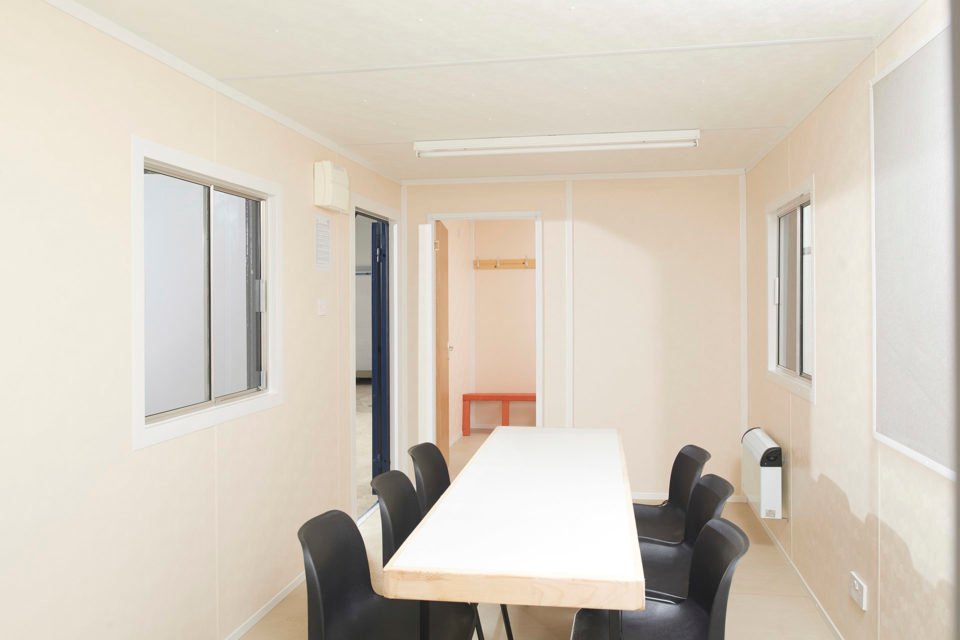
What Is a Canteen Container?
A canteen container is a purpose-designed container or modular structure that can be used for preparing, serving or eating food. Depending on the configuration, it may include areas for food preparation, cooking, serving, storage and dining.
Canteen containers are particularly useful where businesses need a practical food-service facility without constructing a permanent brick-and-mortar building.
They can be used as:
- Construction site canteens
- Mining camp canteens
- Factory canteens
- School dining facilities
- Staff lunchrooms
- Farm and agricultural canteens
- Event catering facilities
- Temporary catering areas
- Remote-site kitchens and dining areas
For businesses that need flexibility, a portable canteen can also be moved or relocated when required.
Why Choose a Canteen Container for Your Business?
A container-based canteen can offer several advantages compared with constructing a permanent building.
1. Faster Installation
A canteen container can generally be installed much faster than constructing a conventional building. This makes it useful for businesses working on temporary or rapidly developing sites.
2. Flexible Use
Canteen containers can be configured for different purposes. Depending on your requirements, the space can be used for food preparation, dining, storage or a combination of functions.
3. Practical for Remote Sites
Construction, mining and agricultural operations may be located far from conventional commercial facilities. A site canteen container provides workers with a dedicated place to prepare and eat meals.
4. Cost-Effective Alternative
For businesses that do not require a permanent building, a canteen container can provide a more practical alternative to traditional construction.
5. Easy to Adapt
Depending on the design, canteen containers can be equipped with features such as serving windows, doors, windows, electrical points, lighting, ventilation and kitchen areas.
How to Choose the Right Canteen Container
Before purchasing a canteen container, consider the following factors.
1. Determine How Many People Will Use the Canteen
The first step is determining your expected number of users.
A small business with a limited number of employees may only require a compact canteen, while a construction or mining operation with dozens or hundreds of workers may need a much larger facility.
Consider:
- Number of employees
- Number of shifts
- Peak meal times
- Number of people eating simultaneously
- Whether visitors or contractors will also use the facility
The number of users will help determine the size and layout of your canteen container.
2. Choose the Right Size
Canteen containers are available in different dimensions, making it important to select a size that suits your available space and operational requirements.
Common considerations include:
- Available installation area
- Number of users
- Kitchen requirements
- Dining space
- Food storage requirements
- Equipment requirements
- Delivery and access limitations
A larger container may provide more flexibility, but a smaller unit may be more suitable where space is limited.
The goal is to choose a container that provides enough usable space without paying for unnecessary capacity.
3. Decide Between a Kitchen, Dining Area or Combination
Not every business needs the same type of canteen.
Some businesses may require a complete catering container with food preparation and cooking facilities, while others may only need a comfortable area where employees can eat meals prepared elsewhere.
Ask yourself:
Do you need to prepare food on-site?
If yes, you may need additional space for:
- Work surfaces
- Cooking equipment
- Sinks
- Food preparation
- Refrigeration
- Storage
- Ventilation
- Electrical connections
If food is prepared elsewhere, you may be able to focus more space on seating and dining.
4. Consider the Layout
The layout of your canteen can have a major impact on how efficiently it operates.
A well-designed layout should allow people to move comfortably between different areas without creating unnecessary congestion.
Consider separate areas for:
- Food preparation
- Cooking
- Food serving
- Washing
- Storage
- Dining
- Waste disposal
For a busy workplace, the movement of employees should be considered carefully when choosing the internal configuration.
5. Look at Construction and Materials
A commercial canteen needs to withstand regular use, cleaning and changing environmental conditions.
When comparing steel canteen containers, consider the quality of the construction, insulation, flooring, doors, windows and internal finishes.
Durable materials can help the unit withstand demanding commercial environments and reduce maintenance requirements over time.
6. Check Insulation and Temperature Control
Temperature control is particularly important in South Africa, where temperatures can vary significantly depending on the region and season.
If employees will spend extended periods inside the canteen, consider whether the unit provides adequate insulation.
Good insulation can help make the interior more comfortable and may also help maintain suitable conditions for food storage and preparation.
Depending on the application, you may also need:
- Air conditioning
- Fans
- Ventilation
- Heating
- Insulated walls and ceilings
7. Consider Ventilation
If cooking will take place inside the container, ventilation should be a major consideration.
Cooking generates heat, steam, smoke and odours. Appropriate ventilation can help maintain a more comfortable and practical working environment.
A commercial kitchen configuration may require additional ventilation equipment depending on the cooking equipment being used.
Always ensure that your installation meets applicable safety and building requirements.
8. Think About Electrical Requirements
Your canteen may require electricity for lighting, refrigeration, cooking equipment, appliances, ventilation and other equipment.
Before purchasing, determine the electrical requirements of the equipment you intend to use.
Consider:
- Available power supply
- Number of electrical outlets
- Lighting
- Kitchen appliances
- Refrigerators and freezers
- Geysers or hot-water systems
- Air conditioning
- Additional electrical equipment
Planning these requirements in advance can help prevent costly modifications later.
9. Consider Plumbing and Water Requirements
If the canteen will include food preparation or washing facilities, plumbing and water supply should also be considered.
Depending on the configuration, you may require:
- Kitchen sinks
- Hand-washing facilities
- Hot and cold water
- Wastewater drainage
- Water storage
- Plumbing connections
For remote locations, you may need to plan for independent water and wastewater solutions.
10. Think About Food Storage
Adequate storage is essential for a functional commercial canteen.
Depending on your operation, you may need space for:
- Dry food
- Refrigerated products
- Cleaning products
- Cooking utensils
- Crockery
- Cutlery
- Packaging
- Staff supplies
If storage is limited, the canteen can quickly become cluttered and difficult to operate.
Consider your daily and weekly food requirements before deciding on the size and configuration.
11. Consider Hygiene and Cleaning
A canteen used by employees or customers needs to be easy to clean and maintain.
Look for practical surfaces and finishes that can withstand regular cleaning.
You should also consider:
- Easy-to-clean floors
- Washable walls and surfaces
- Hand-washing facilities
- Waste bins
- Food preparation surfaces
- Adequate ventilation
- Proper drainage
Good hygiene practices are particularly important when food is being prepared or served on-site.
12. Consider Mobility and Site Requirements
If your business operates from temporary locations, mobility may be an important factor.
A mobile canteen or portable canteen solution can be useful for construction projects, events and other temporary operations.
Before ordering, consider:
- How the unit will be transported
- Site access
- Delivery vehicle requirements
- Ground conditions
- Crane or lifting requirements
- Final positioning
- Future relocation
Planning logistics before purchasing can prevent unexpected delivery problems.
13. Check Security Features
Businesses operating in remote areas may need additional security.
Depending on the site, consider features such as:
- Security doors
- Burglar bars
- Reinforced construction
- Lockable storage
- Anti-vandal features
- Security windows
An anti-vandal canteen container may be particularly suitable for construction, mining and remote work sites where the unit may be left unattended.
14. Establish Your Budget
Price should not be the only consideration when comparing canteen containers for sale, but it is an important part of the decision.
Your total budget should take into account more than the container itself.
Consider potential costs for:
- Container purchase
- Customisation
- Delivery
- Site preparation
- Electrical installation
- Plumbing
- Kitchen equipment
- Refrigeration
- Furniture
- Air conditioning
- Additional security features
A cheaper container may not always be the most cost-effective option if significant modifications are required after purchase.
15. Check Local Requirements
Before installing a canteen container, check the requirements that apply to your specific location and intended use.
Depending on your business and municipality, you may need to consider requirements relating to:
- Zoning
- Building regulations
- Electrical installations
- Plumbing
- Food preparation
- Health and safety
- Fire safety
- Wastewater management
Requirements can vary depending on the location and application, so it is advisable to confirm the relevant requirements before installation.
Canteen Container vs Traditional Building
One of the biggest decisions businesses face is whether to construct a permanent canteen or use a container-based solution.
A canteen container can be particularly attractive when:
- The project is temporary
- The site is remote
- Installation needs to happen quickly
- The business may relocate
- Construction costs need to be controlled
- A modular solution is preferred
A permanent building may be more appropriate where the canteen is intended to remain in one location for many years and significant customisation or expansion is required.
Who Can Benefit From a Canteen Container?
Canteen containers can be suitable for many different industries and applications.
Construction Companies
Construction sites often require temporary facilities for workers. A site canteen provides a dedicated area for meals and refreshments.
Mining Operations
Mining sites may operate in remote areas where permanent catering facilities are not readily available. A robust canteen solution can provide workers with a practical dining and food-service facility.
Factories and Warehouses
Businesses with large workforces can use canteen containers as employee lunchrooms or food-service areas.
Schools and Training Facilities
A container can provide additional dining or catering space when an existing facility is too small.
Farms and Agricultural Businesses
Agricultural operations can use portable canteens to provide workers with a dedicated area for meals.
Events and Temporary Projects
A mobile canteen can also provide a flexible catering solution for events, festivals and temporary sites.
Questions to Ask Before Buying a Canteen Container
Before choosing a supplier, ask:
- What size canteen do I need?
- How many people will use it?
- Will food be prepared inside the unit?
- What electrical equipment will be installed?
- Will plumbing be required?
- Does the unit have adequate insulation?
- What ventilation is provided?
- Can the container be customised?
- How will it be delivered and installed?
- What security features are available?
- What maintenance will be required?
- Does the installation meet the applicable local requirements?
Answering these questions will make it easier to compare different canteen container options.
Find the Right Canteen Container for Your Business
The right canteen container should match your workforce, available space, intended use, budget and site conditions. From compact staff canteens to larger commercial catering facilities, choosing the right configuration from the beginning can make your investment more practical and cost-effective.
If you’re looking for canteen containers for sale in South Africa, compare the available sizes, layouts, construction quality, customisation options and delivery requirements before making your decision.
A properly selected canteen container can provide a durable, flexible and convenient facility for employees, customers and visitors while giving your business the flexibility to adapt to changing site requirements.
Frequently Asked Questions About Canteen Containers
1. What is a canteen container?
A canteen container is a container or modular structure designed for food preparation, serving, dining or a combination of these functions. They are commonly used on construction sites, mines, factories, farms and temporary work sites.
2. What size canteen container do I need?
The required size depends primarily on the number of users, available space and whether you need cooking, food preparation, storage and dining areas. Larger workforces generally require larger or multiple units.
3. Can a canteen container be customised?
Yes. Depending on the supplier and model, canteen containers can be customised with different layouts, doors, windows, electrical installations, plumbing, serving areas, insulation and other features.
4. Are canteen containers suitable for construction sites?
Yes. Canteen containers are commonly used as temporary workplace facilities on construction sites because they can provide workers with a dedicated area for meals and refreshments.
5. Can food be prepared inside a canteen container?
Some canteen containers can be configured for food preparation and cooking. If cooking equipment will be installed, ventilation, electrical capacity, plumbing and applicable safety requirements should be considered.
6. Are canteen containers suitable for mining sites?
Yes. A robust canteen container can provide a practical catering or dining facility for mining and other remote-site operations.
7. Can a canteen container be moved?
Some portable and mobile canteen solutions can be relocated. However, transportation and lifting requirements depend on the unit’s construction, size and configuration.
8. How much does a canteen container cost?
The cost varies depending on size, construction, configuration, customisation, equipment and delivery requirements. It is best to request a quote based on your specific requirements.
9. Are canteen containers available in South Africa?
Yes, businesses can purchase different types of canteen and modular container solutions in South Africa. Availability, specifications, customisation and delivery options vary between suppliers.
10. What should I look for when buying a canteen container?
Consider the size, number of users, layout, construction materials, insulation, ventilation, electrical requirements, plumbing, storage, security, mobility, budget and applicable local requirements.
Conclusion
Choosing the right canteen container for your business starts with understanding exactly how the facility will be used. Consider your workforce, site, available space, catering requirements, security needs and budget before selecting a unit.
Whether you need a temporary construction-site canteen, a staff lunchroom, a mining-site catering facility or a portable food-service solution, investing in the right container can provide your business with a practical and flexible facility.
 No products in the cart.