
When you need a practical space for employees, contractors, visitors or customers to eat and take breaks, choosing the right type of canteen facility is important. Two popular options are canteen containers and traditional brick-and-mortar canteens.
While traditional canteens have been used for decades, container-based canteens have become an increasingly practical solution for construction sites, mines, factories, farms, warehouses, schools, events and other commercial environments.
But which option is better for your needs?
In this guide, we compare canteen containers vs traditional canteens, looking at cost, installation time, flexibility, durability, maintenance and long-term value.
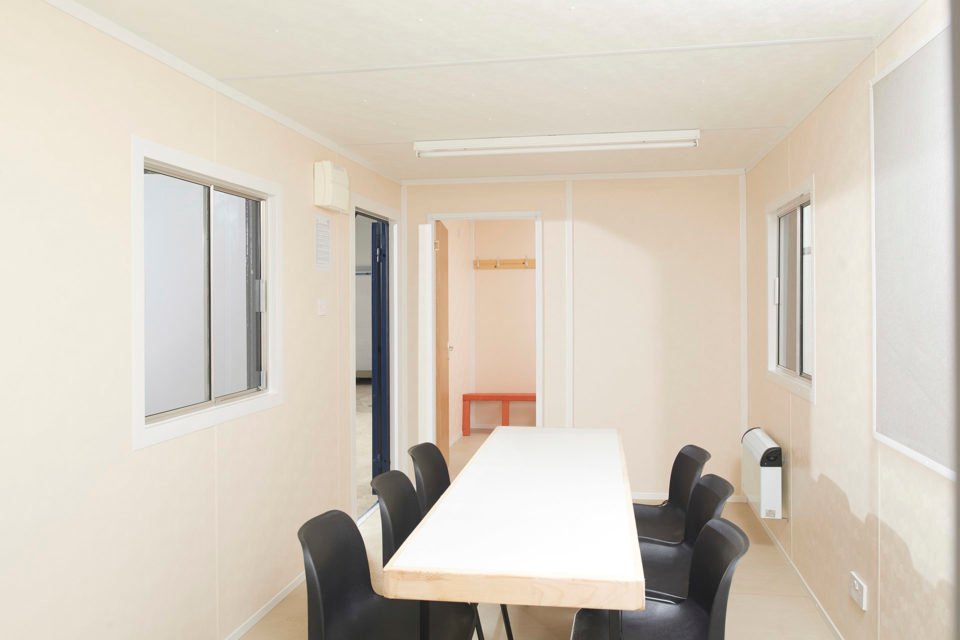
What Is a Canteen Container?
A canteen container is a purpose-built steel container that has been converted or manufactured for use as a dining, kitchen or employee break facility.
Depending on the design, a container can be equipped with features such as:
- Serving counters
- Food preparation areas
- Electrical installations
- Lighting
- Windows and doors
- Ventilation
- Insulation
- Kitchen facilities
- Seating areas
- Storage areas
- Sinks and plumbing
- Air conditioning or other climate-control options
Because they are manufactured off-site, canteen containers can often be delivered and installed with considerably less disruption than constructing a permanent building.
They can also be customised according to the requirements of a specific workplace or project.
What Is a Traditional Canteen?
A traditional canteen is generally a permanent structure constructed using conventional building methods and materials such as brick, concrete, steel and other building components.
A traditional canteen can provide a fully customised facility with dedicated kitchen, dining, storage and staff areas.
However, building a traditional canteen usually involves more extensive planning and construction. Depending on the project, this may include architectural plans, foundations, building work, plumbing, electrical installations and other site preparations.
For businesses that need a permanent facility in one location, traditional construction can still be an excellent option.
Canteen Containers vs Traditional Canteens
The right choice depends on factors such as your budget, location, project duration and how quickly you need the facility operational.
Here are the main differences.
1. Installation Time
One of the biggest advantages of canteen containers is speed.
A traditional canteen can take weeks or months to design and construct, depending on its size and complexity. Construction may also be affected by weather, labour availability and material deliveries.
A container canteen is manufactured or converted before delivery, meaning much of the work is completed before it reaches your site.
Winner: Canteen containers
If your priority is getting an operational canteen up and running quickly, a container-based solution can provide a major advantage.
2. Cost
The total cost of a traditional canteen can increase significantly when you consider foundations, construction materials, labour, plumbing, electrical work, finishes and other building requirements.
Canteen containers can reduce some of these costs because the main structure is already manufactured.
However, the final price of either option depends on factors such as size, specifications, insulation, fittings, kitchen equipment, transportation and site preparation.
It is therefore important to compare the complete project cost rather than simply comparing the initial purchase price.
Winner: Often canteen containers
For businesses looking for a cost-effective commercial canteen solution, a container can offer excellent value.
3. Flexibility and Mobility
Traditional buildings are designed to remain in one location.
This can be a disadvantage for businesses operating temporary projects or changing sites. Construction companies, mining operations and other industries may need facilities that can move when the project moves.
A mobile canteen container can be transported to another location when required, provided the site and container specifications allow for relocation.
This makes container canteens particularly useful for:
- Construction projects
- Mining operations
- Temporary work sites
- Events
- Agricultural operations
- Industrial projects
- Remote work sites
Winner: Canteen containers
4. Durability
Steel containers are designed to withstand demanding environments. With appropriate construction, protection and maintenance, they can provide a robust facility for commercial and industrial applications.
Traditional brick-and-mortar buildings can also be extremely durable and may provide excellent long-term performance.
The durability of either solution ultimately depends on construction quality, materials, maintenance and the conditions in which the building is used.
Winner: Both
For demanding environments, the quality of the specific container or building is more important than simply choosing between the two types.
5. Customisation
Traditional buildings generally provide extensive customisation possibilities. You can design the building around specific dimensions, layouts and architectural requirements.
However, modern canteen containers for sale can also be customised for a wide range of applications.
Depending on the supplier, you may be able to specify:
- Number and position of doors
- Windows
- Serving hatches
- Kitchen layouts
- Electrical points
- Lighting
- Plumbing
- Insulation
- Flooring
- Internal partitions
- Ventilation
- Storage areas
Winner: Traditional canteens for maximum customisation, but container canteens offer significant flexibility.
6. Relocation and Reusability
A major advantage of container-based facilities is that they can potentially be reused.
For example, a company may purchase a canteen container for a construction project. Once the project is complete, the facility can potentially be relocated to another site instead of being demolished.
Traditional buildings generally cannot provide the same level of mobility.
Winner: Canteen containers
7. Site Requirements
Traditional construction usually requires more extensive site preparation. Depending on the building, this can include foundations and other civil works.
Containerised facilities can often be installed with less extensive preparation, although the exact requirements depend on the container design, ground conditions and local regulations.
Utilities such as electricity, water, drainage and sewage may also need to be arranged.
Winner: Canteen containers in many temporary and semi-permanent applications
Why Choose Canteen Containers?
For businesses operating in South Africa, canteen containers can provide a practical alternative to conventional construction.
Some of the key benefits include:
Fast Deployment
A container canteen can be prepared for delivery and installed far more quickly than many conventional building projects.
Cost-Effective Solution
Containerised facilities can reduce construction-related costs and provide businesses with a predictable commercial facility.
Flexible Applications
A canteen container can be used in numerous environments, from construction sites and mines to factories, farms and temporary events.
Easy Relocation
If your business operates across multiple sites, a relocatable canteen can be particularly useful.
Practical Design
Containers can be fitted with the facilities employees and customers need for food preparation, serving, dining and breaks.
Reusable Investment
Unlike a temporary structure that may only serve one project, a quality container can potentially be relocated and reused for future projects.
When Is a Traditional Canteen Better?
Despite the benefits of containerised facilities, a traditional canteen may be the better option in certain circumstances.
Consider a permanent building if:
- You own the property long-term.
- The canteen will remain in the same location for many years.
- You require a large custom-designed dining facility.
- You need extensive architectural customisation.
- Your site already has suitable permanent infrastructure.
- You want the canteen integrated into a larger permanent building.
For a permanent workplace such as a large factory, school or corporate facility, traditional construction may make more sense as part of a broader property development.
When Is a Canteen Container Better?
A container canteen is often the better choice when speed, flexibility and mobility are priorities.
It can be particularly suitable for:
- Construction sites
- Mining sites
- Warehouses
- Factories
- Farms
- Remote work sites
- Temporary projects
- Events
- Labour accommodation projects
- Infrastructure projects
- Industrial sites
If your project has a defined lifespan or your workforce needs to move between locations, investing in a relocatable facility can be significantly more practical than constructing a permanent building.
Canteen Containers for Construction Sites
Construction companies frequently need practical facilities for workers without investing in permanent structures.
A canteen container for a construction site can provide an area where workers can take meals and breaks away from the main work area.
Containerised facilities can also be used alongside other site accommodation, including:
- Office containers
- Site stores
- Ablution facilities
- Changing rooms
- Drying rooms
- Guard houses
- Accommodation units
This makes containerised buildings a flexible solution for developing a complete temporary site infrastructure.
Canteen Containers for Mines and Industrial Sites
Mining and industrial operations often require durable facilities capable of operating in demanding environments.
A steel canteen container can provide a dedicated area for employees to eat and take scheduled breaks without requiring the construction of a permanent building.
Depending on the requirements, multiple containers can also be used to create larger facilities or complementary spaces.
How Much Does a Canteen Container Cost?
The price of a canteen container for sale varies according to its size, design, materials, fittings and customisation.
Factors that can affect the price include:
- Container dimensions
- Steel construction
- Insulation
- Number of windows and doors
- Kitchen fittings
- Electrical installations
- Plumbing
- Flooring
- Internal partitions
- Ventilation
- Delivery distance
- Site installation requirements
- Custom features
For an accurate price, it is best to request a quotation based on your specific requirements.
What Size Canteen Container Do You Need?
The ideal size depends on the number of people who will use the facility and how the space will be configured.
A smaller container may be suitable for a compact staff break area, while larger units can accommodate food preparation, serving and dining facilities.
When selecting a size, consider:
- How many employees will use the canteen?
- Will meals be prepared on-site?
- Do you need a kitchen?
- How much seating is required?
- Will food be served through a counter or hatch?
- Do you need storage space?
- Will the canteen be used permanently or temporarily?
Planning these requirements before purchasing can help you choose a more suitable configuration.
Canteen Containers vs Traditional Canteens: Final Verdict
So, which is better: canteen containers or traditional canteens?
There is no single answer for every business.
A traditional canteen is usually the better choice for a permanent facility where maximum architectural flexibility and long-term integration are priorities.
However, canteen containers are often the more practical option when you need a facility that is fast to deploy, cost-effective, durable and potentially relocatable.
For construction sites, mines, factories, farms, temporary projects and other commercial applications, a container canteen can provide an efficient alternative to traditional construction.
If you are looking for a flexible workplace dining facility, compare available canteen containers for sale and choose a design based on your workforce size, site requirements and intended use.
Frequently Asked Questions About Canteen Containers
Are canteen containers suitable for construction sites?
Yes. Canteen containers are well suited to construction sites because they can provide workers with a dedicated dining and break area without requiring the construction of a permanent building.
Can a canteen container be moved?
Many containerised canteens are designed with relocation in mind. However, transportation and lifting requirements depend on the specific unit, its dimensions and site conditions.
Are canteen containers cheaper than traditional buildings?
They can be. Canteen containers may reduce construction time and some building costs, although the final price depends on the container specification, fittings, delivery and site requirements.
Can a canteen container include a kitchen?
Yes. Depending on the design, canteen containers can be fitted with food preparation areas, sinks, serving counters, electrical points, ventilation and other kitchen-related facilities.
Are canteen containers durable?
Quality steel canteen containers can provide a durable solution for commercial and industrial environments when properly manufactured, installed and maintained.
Can canteen containers be customised?
Yes. Depending on the supplier, you can customise features such as doors, windows, serving hatches, electrical points, insulation, plumbing, partitions and internal layouts.
Are canteen containers suitable for permanent use?
Yes. A properly designed and installed canteen container can be used as a long-term facility. The suitability depends on the container’s construction, specifications, site conditions and intended application.
Where can I buy canteen containers in South Africa?
Canteen containers are available from specialised container and modular-building suppliers across South Africa. Compare specifications, construction quality, customisation options, delivery and pricing before making a purchase.
Conclusion
Choosing between a canteen container and a traditional canteen ultimately comes down to your project’s needs.
If you require a permanent, highly customised facility, traditional construction may be the right choice. If you prioritise speed, flexibility, mobility and cost-effectiveness, a canteen container can be an excellent alternative.
For many South African commercial and industrial projects, containerised canteens offer a practical way to create functional dining facilities without the time and complexity associated with conventional construction.
 No products in the cart.